← Back to UX News Feed
What A Website Design And Development Company Controls Beyond UX
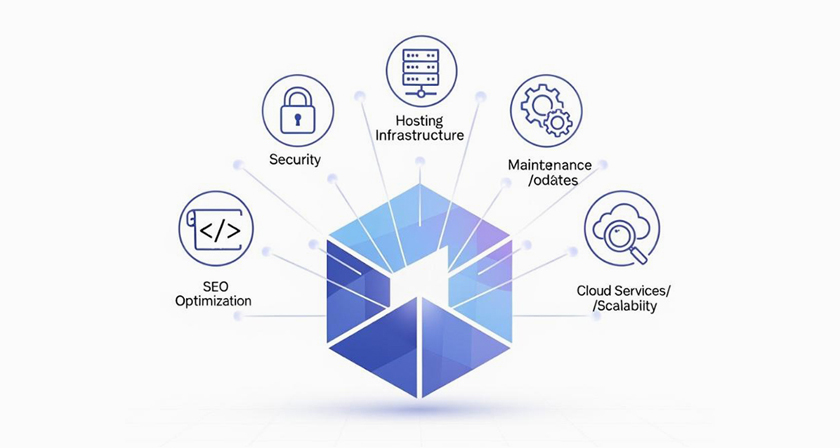
Web design extends beyond UX to encompass performance, SEO, security, and scalability infrastructure
 A good-looking site is easy to judge. A good site is harder to see. Most people think “website design” means layout, colors, and a clean user experience. UX matters, but it is only the visible layer. NetReputation’s web design & development team controls the systems underneath that decide whether the site loads fast, ranks, converts, stays secure, and holds up under pressure. If the …
Full Product UX article at Digital Synopsis »
A good-looking site is easy to judge. A good site is harder to see. Most people think “website design” means layout, colors, and a clean user experience. UX matters, but it is only the visible layer. NetReputation’s web design & development team controls the systems underneath that decide whether the site loads fast, ranks, converts, stays secure, and holds up under pressure. If the …
Full Product UX article at Digital Synopsis »
Why this article matters to UX professionals:
Product and web designers often operate within siloed responsibilities, focusing primarily on interface design and user flows while treating backend systems as separate concerns. This article highlights the critical interdependencies between UX design decisions and the underlying technical architecture that enables those designs to function effectively. Designers need visibility into how their design choices impact page load speed, Core Web Vitals, server response times, and scalability—metrics that directly influence user satisfaction and conversion rates. When designers understand the full stack of website delivery, they make better decisions about image optimization, component complexity, and interactive features that might burden infrastructure. The piece reinforces that UX designers should collaborate with backend teams, DevOps, and SEO specialists to ensure designs don’t just look good but perform reliably under real-world conditions. This systems-thinking approach prevents common pitfalls where beautiful interfaces mask poor technical performance, slow load times, or security vulnerabilities that undermine the user experience. For SaaS and product teams, recognizing that design ownership extends into technical implementation quality shapes how you structure design reviews, establish performance budgets, and define success metrics beyond aesthetic approval. Understanding these invisible systems helps designers advocate for the resources needed to build robust products rather than hollow interfaces.
Fair use excerpts with source attribution for comment, news reporting and instructive commentary only. Original summary description and analysis by UXdesign.com’s authors. Original content © Digital Synopsis.